pranav.thakkar79@yahoo.com - GST NO. : 24AFMPT6670E1Z4
- Send Email
Aluminium Scrap
Leading Wholesaler and Trader of Aluminium Scrap Taint Tabor, Aluminium Scrap Zorba, Aluminium Tally Radiator Scrap, Aluminium Tense Scrap, Aluminium Twang Scrap and Aluminium UBC Scrap from Gandhinagar.
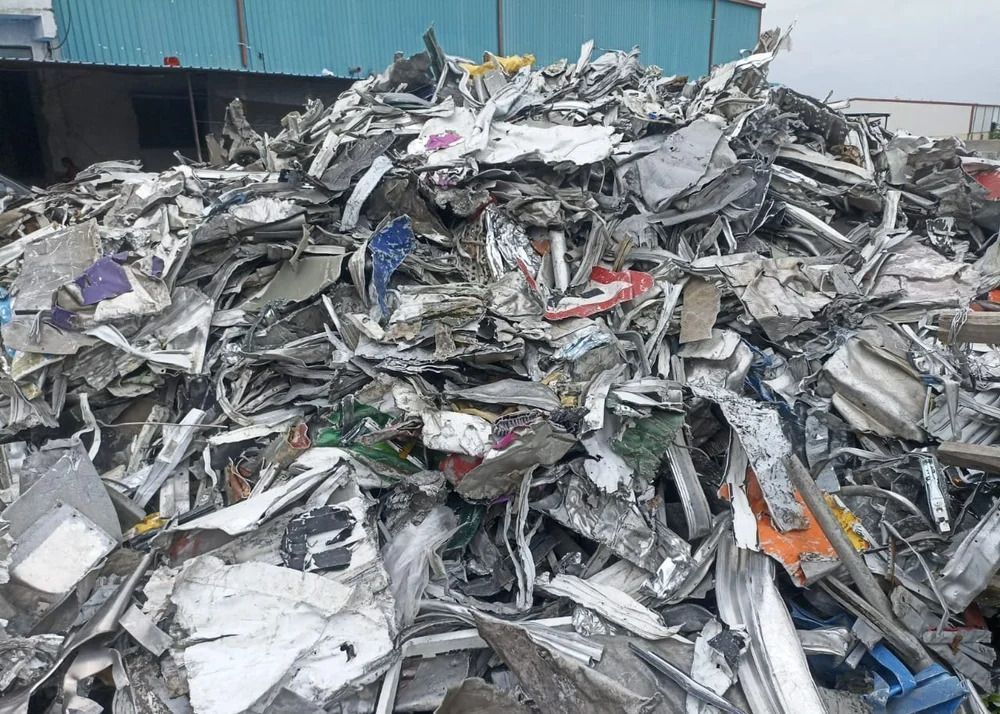
| Business Type | Supplier, Trader |
| Application | Recycling Use |
| Al Content (%) | 99% |
| Country of Origin | India |
| ISRI Code | Taint / Tabor |
| Material Form | Old Aluminium Sheet Scrap |
| Alloy Content | Two or More Mixed Alloys |
| Paint Allowance | Up to 10% (if specified) |
| Oil & Grease | Max 1% |
| Typical Use | Melting, Remelting Into Billets or Ingots |
| HS Code | 76020010 |
ISRI-Based Explanation of Aluminium Scrap “Taint / Tabor”
Taint / Tabor is a widely traded melting-grade aluminium scrap used by recyclers and foundries worldwide. It is an official grade defined by the Institute of Scrap Recycling Industries (ISRI).
What Is ISRI Taint / Tabor Aluminium Scrap?
Taint / Tabor refers to clean, mixed old-alloy aluminium sheet scrap suitable for melting and recycling. It is globally recognized and commonly traded under HS Code 76020010
TAINT TABOR.FILE6
Official ISRI Description
According to ISRI scrap specifications, Taint / Tabor:
-
Shall consist of clean old alloy aluminium sheet and sheet utensil scrap
-
Must contain two or more aluminium alloys
-
Must be free from:
-
7000 series aluminium
-
Foil
-
Venetian blinds
-
Castings
-
Hair wire and screen wire
-
Food or beverage containers
-
Radiator shells
-
Airplane sheet
-
Bottle caps
-
Plastic, dirt, and other non-metallic materials
-
-
Oil and grease content shall not exceed 1%
-
Up to 10% painted sheet, siding, or awnings is permitted (subject to agreement)
TAINT TABOR.FILE6
Typical Physical Form & Appearance
-
Used aluminium sheets from old sources
-
Flat pieces of varying thickness
-
Minimal paint or surface weathering
-
Sheet form only (not shredded or granular)
Commonly Excluded Materials
-
Foil
-
Plastic or rubber
-
Castings
-
Venetian blinds
-
Food and beverage containers
-
Wires and screen wire
-
Radiator shells
-
Non-metallic debris
| Business Type | Supplier, Trader |
| Aluminium (mixed alloys) | ~70–95%+ |
| Copper / Brass | ~2–10% |
| Zinc | <8% |
| Ferrous Content (residual) | <2% |
| Plastics / Organics | <3% |
| Country of Origin | India |
| Material | Aluminium (mixed Alloys), Copper / Brass, Zinc |
| Application | Melting And Recycling Purposes |
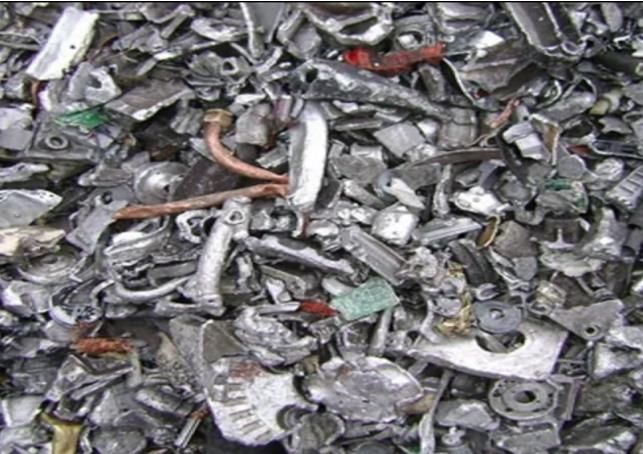
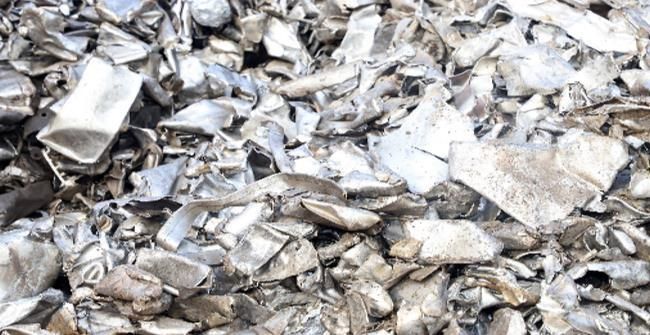
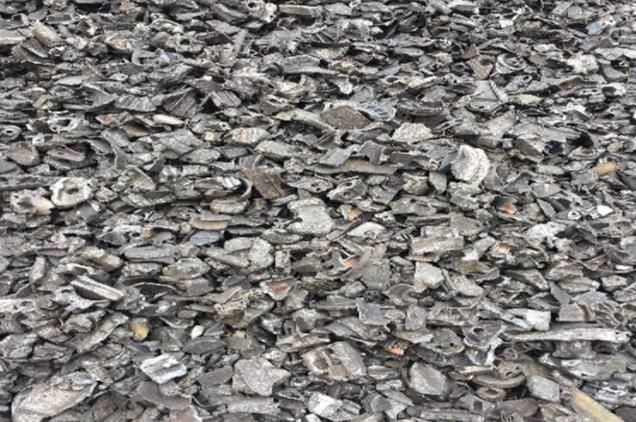
Aluminium Scrap Zorba is a commonly traded non-ferrous scrap material widely used for melting and recycling purposes
What is Zorba (ISRI Definition)
Zorba is officially defined by the Institute of Scrap Recycling Industries (ISRI) as Shredded Non-Ferrous Scrap, predominantly aluminium. It:
-
Consists mainly of aluminium, along with other non-ferrous metals such as copper, lead, magnesium, stainless steel, nickel, tin, and zinc, in elemental or alloy form.
-
Is produced through shredding and advanced separation processes including eddy current separation, air separation, flotation, screening, and magnetic separation to remove free iron.
-
Must be completely free from radioactive materials, dross, and ash.
-
Is classified into grades (e.g., Zorba 85, Zorba 90, Zorba 95), where the number represents the estimated percentage of non-ferrous metal content. Higher grades indicate higher aluminium content and lower impurities.
Actual specifications and impurity limits are subject to mutual agreement between buyer and seller, as per ISRI guidelines
Packaging & Logistics
40 ft ISO Container
-
Load capacity: 20–26 tonnes
-
Designed for maximum bulk economy and large-volume international exports
-
Suitable for automotive shredder scrap
20 ft ISO Container
-
Load capacity: 14–18 tonnes
The material is optimized for international bulk handling with minimized cost per unit, making it ideal for large-scale recycling operations
| Business Type | Supplier, Trader |
| Country of Origin | India |
| Application | Recycling Use |
| Source | Industrial / Manufacturing Scrap (prompt Scrap) |
| Surface Condition | Unpainted, Uncoated, Unlacquered |
| Alloy Type | Wrought Aluminium Alloys (commonly 3xxx / 5xxx / 6xxx Series) |
| Iron (fe) | Very Low |
| Copper / Zinc / Lead | Not Allowed |
| Oil &amp; Grease | Light Rolling Oil Acceptable |
| Moisture | Must Be Dry |
| Non-metallics | Free from Plastic, Rubber, Paper, Wood |
| Sealed / Hazardous Items | Prohibited |
| Radioactive Material | Prohibited |
| Form | Sheets, Cuttings, Skeleton Scrap |
Official ISRI Description
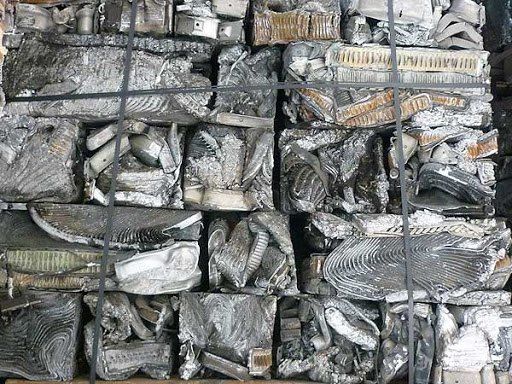
TALLY refers to clean aluminium alloy sheet scrap that is unpainted, uncoated, and free from contaminants, mainly generated from new industrial (prompt) scrap. It is considered a premium melting-grade aluminium scrap.
ISRI Definition: Aluminium TALLY
Full Description:
All-aluminium radiators, condensers, and heater cores from automobiles, trucks, and other vehicles.
Common Characteristics
-
No iron core
-
No heavy plastic parts
-
No copper tubing or brazing
-
Minimal contamination
-
High aluminium recovery
Typical Source Materials
-
All-aluminium car radiators
-
Aluminium AC condensers
-
Aluminium automotive heat exchangers
| Business Type | Supplier, Trader |
| Material | Aluminium |
| Application | Recycling Use |
| Country of Origin | India |
| Dirt / Non-metallics | Must Be Minimal or Absent |
| Oil & Grease | ≤ 2% |
| Ingots | Not Permitted |
| Aluminium Content | ~95–99% (alloy Dependent) |
| Contamination | No Dirt Or Non-metallic Debris,No Iron Or Steel,No Brass,No Ingots Allowed |
| Physical Characteristics | Irregular, Bulky Casting Pieces,Rough Surface Texture From Casting Process,Possible Machining Marks,Ferrous Attachments Must Be Completely Removed |
Aluminium Scrap TENSE – ISRI Details
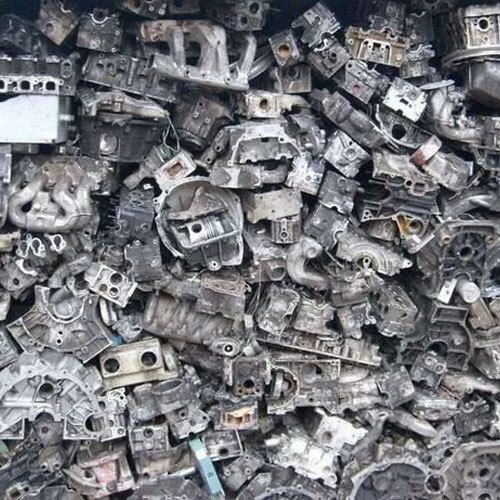
TENSE is the ISRI classification for Mixed Aluminium Castings, commonly traded worldwide for remelting and secondary aluminium production.
ISRI Definition (Extracted & Paraphrased)
TENSE shall consist of all clean aluminium castings, which may include automobile and airplane castings, but must not contain ingots.
The material must be free from iron, brass, dirt, and other non-metallic materials.
Oil and grease content shall not exceed 2%
TENSE.SCRAP.FILE5
.
Primary Features of Aluminium Scrap TENSE
-
Material Form: Aluminium castings
(engine blocks, transmission housings, pump bodies, machinery cast parts) -
Condition: Clean and dry
-
Oil & Grease: Maximum 2%
-
Contamination:
-
No iron or steel
-
No brass
-
No dirt or non-metallic debris
-
No ingots allowed
-
-
Typical Use: Remelting for secondary aluminium alloys
-
Typical Aluminium Content: Approximately 95–99%, depending on alloy mix and cleanliness
-
Common Sources:
-
Automotive engine blocks
-
Gearbox housings
-
Industrial aluminium cast components
TENSE.SCRAP.FILE5
-
Physical Characteristics
-
Irregular, bulky casting pieces
-
Rough surface texture from casting process
-
Possible machining marks
-
Ferrous attachments must be completely removed
| Business Type | Supplier, Trader |
| ISRI Code Name | Twang |
| Material Type | Aluminium Wire with Plastic or Rubber Insulation |
| Aluminium Content | Sold Based On Actual Aluminium Recovery or Mutually Agreed Content |
| Contamination | Insulation Allowed; Minor other Metals Only if Agreed |
| Other Wires | Should Be Mainly Aluminium; Others Only if Mutually Agreed |
| Sale Basis | Sample Basis or Recovery/content Basis |
| Typical Use | Aluminium Recovery After Insulation Removal |
| Country of Origin | India |
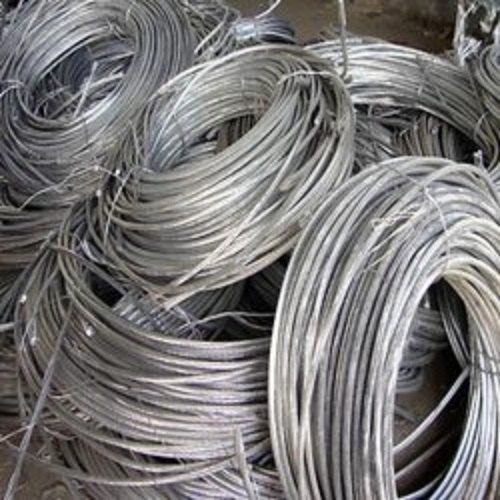
Twang is the ISRI code name for Insulated Aluminium Wire Scrap. It consists of aluminium wires with plastic or rubber insulation still attached. This scrap category is officially listed in the ISRI Scrap Specifications Circular under non-ferrous scrap.
Key Points (Extracted)
-
The percentage of aluminium content is not fixed by ISRI standards.
-
Aluminium recovery percentage is agreed between buyer and seller, usually based on sample analysis.
-
The scrap contains insulation and may include minor contaminants.
-
It is generally not considered a direct melting grade unless insulation is removed.
-
Insulation is typically stripped before melting to avoid furnace problems
TWANG.AL.SCAP.FILE3
.
Typical Appearance
Twang scrap usually appears as coils or bundles of insulated aluminium wires or cables, such as:
-
Electrical cables with coloured insulation
-
Industrial feeder wires
-
Insulated service cables
Before remelting, insulation is normally removed mechanically to recover clean aluminium
| Business Type | Supplier, Trader |
| Country of Origin | India |
| Application | Industrial Use |
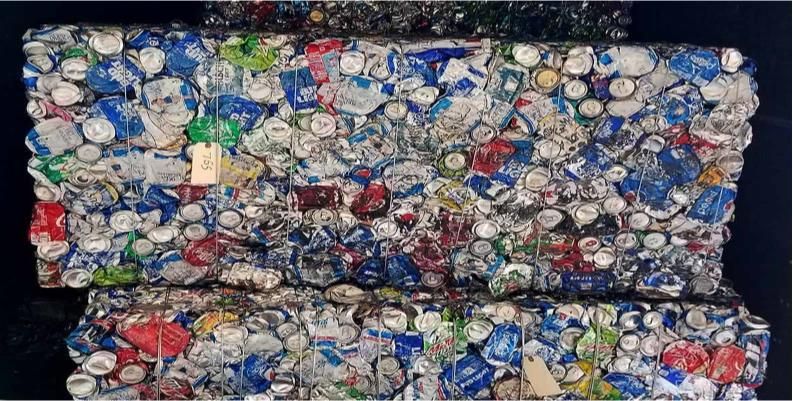
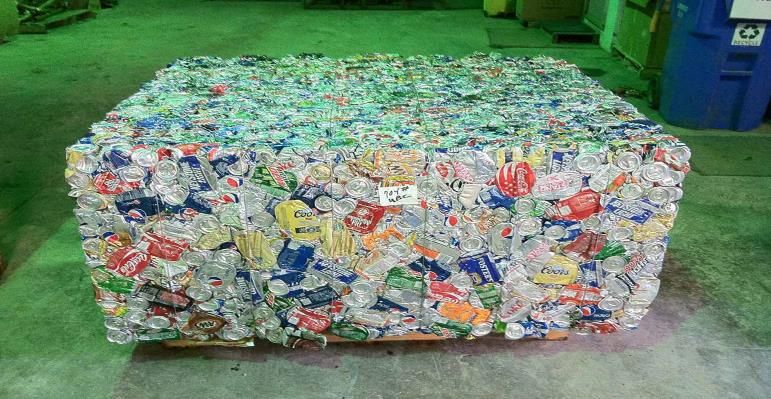
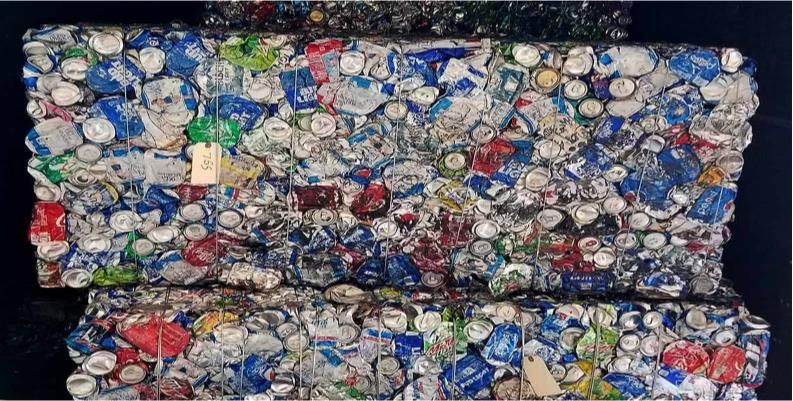
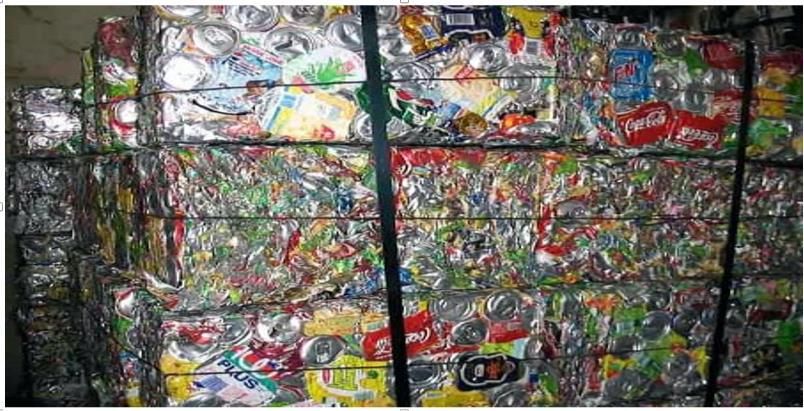
| Bale Dimensions | Usually around 100 cm × 80 cm × 100 cm (Can vary, e.g., 90 × 80 × 90 cm) |
| Bale Weight | Typically 25–30 kg |
| Bundle Weight | Around 750–900 kg (Approx. 30 bales per bundle) |
| Container Load (40 ft) | Approximately 22–25 MT |
| Flattened UBC | ~353 kg/m³ |
| Unflattened UBC | ~225–273 kg/m³ |
| Purity | Up To 99% Clean Aluminium With Minimal Contamination |
Key Considerations
-
ISRI Specifications:
Standards are defined by the Institute of Scrap Recycling Industries (ISRI), including:-
Density guidelines (e.g., 14–17 lbs/cu ft for unflattened UBC)
-
Minimum size ranges (e.g., 24" × 30" × 40")
-
-
Flattened vs. Unflattened:
-
Flattened bales are denser and allow more weight per container
-
Unflattened bales are larger in size but carry less weight
-
-
Tying Method:
-
Steel bands or wires are standard
-
Skids are not allowed
-
-
Purity:
High-quality UBC bales typically contain up to 99% clean aluminium with minimal contamination
Commercial Details
-
Rate: ₹160–180 per kg (Aluminum UBC Scrap)
-
Delivery Terms: Ex-Works / At our site
Note
Final dimensions, weight, and density should always be confirmed to match the buyer–seller agreement and container capacity
